New Patients:
Mobile Number (813) 734-7102
Mobile Number (813) 734-7102
Existing Patients:
Mobile Number (813) 972-3500
Mobile Number (813) 972-3500
05
May
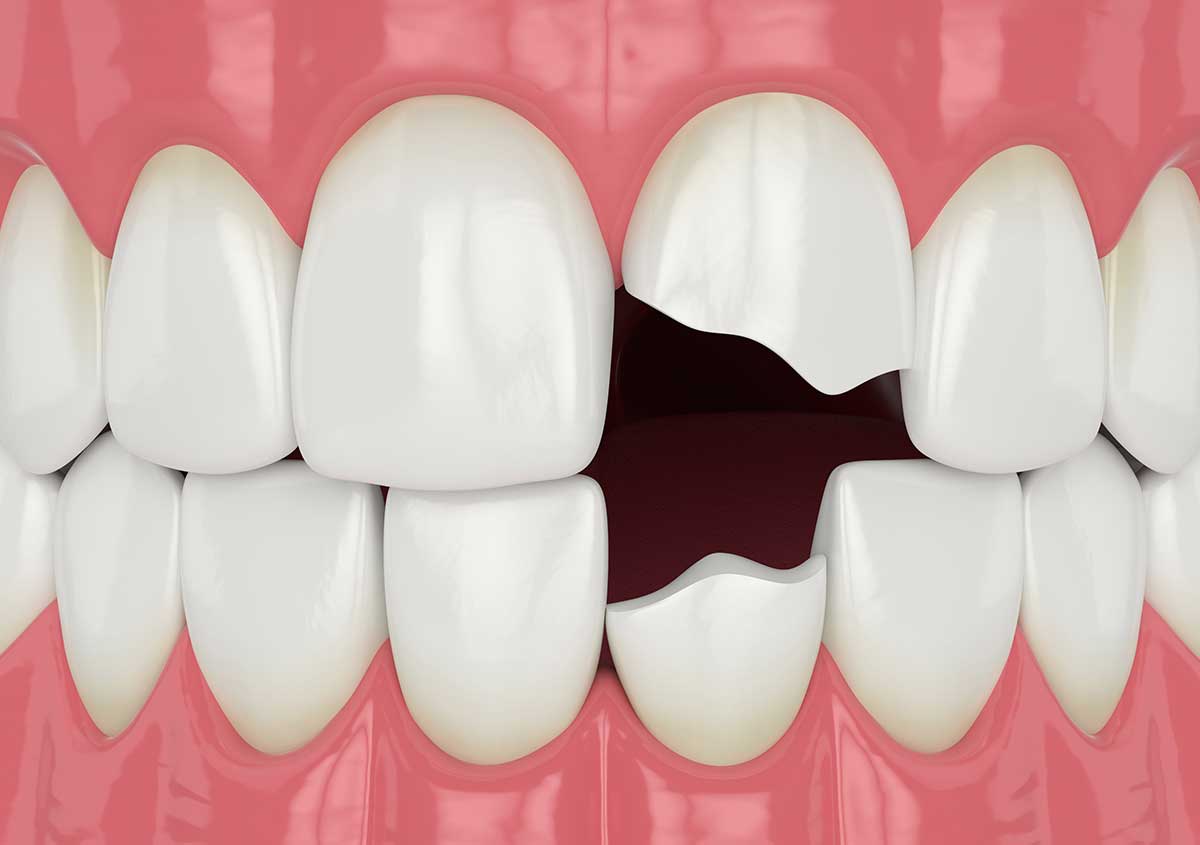
Treating The Cracked Tooth.
Cracked teeth have been problematic for more than 4 decades.
The reason is this dental condition has a set of signs and symptoms that occur together as a complex, that
is referred to as a cracked tooth syndrom (CTS). The primary symptoms of CTS is momentary sharp shooting pain
caused by the micro-movement of the cracked dentin surfaces as biting forces are initiated and released during chewing.
Such movement causes nerve pulp stimulation through the dentinal tubules and a pain response. Lower molars have the highest
incidence of CTS, followed by upper molars and first pre-molars. The most prevalent age range for cracked teeth is 30-60 years.
Cracks can occur in teeth along developmental fissures with or with out restorations.
Ten typical clinical findings of CTS are:
* a sudden sharp pain with chewing
* sensitivity to thermal changes, especially to cold
* symptoms continue from weeks to months
* the patient’s inability to localize the offending tooth
* pain on lateral pressure
* no pain on vertical tooth percussion
* a vital response to pulp testing
* negative radiographic findings
* weak tooth structure (teeth with large fillings)
* bruxism or unusual chewing habits
Cracked Tooth Syndrome can be diagnosed by dental history, signs and symptoms and isolation of the offending tooth or teeth by
evaluating the results of diagnostic procedures. The cracked tooth is treated by stabilizing the crack and preventing expansion,
the full coverage crown best satisfies this. The difficulties in managing patients with CTS occur in the diagnosis and early treatment phases.
The clinician must know the signs and symptoms, take a thorough history and examine the patient before beginning definite
treatment. The full coverage crown most often remedies CTS. Untreated symptoms result in need of more extensive treatment to save the
tooth (ROOT CANAL TREATMENT) or possible loss of the tooth.
Early treatment of symptoms is always wise.
Share this Article
At Gentle Dentistry, we believe that insurance plans and financial concerns should not prevent anyone from receiving quality, proactive dental care. Our In-House Dental Savings Plan is designed to help our patients receive the consistent, high quality dental care they need to maintain optimal oral and overall health at an affordable price. Individual annual membership plans start at $349, and cost-effective family plans can be customized to meet the needs of everyone in the family. Each membership plan includes free treatments, special discounts, cosmetic treatments, and much more.
Sign up for our Dental Savings Plan to start enjoying incredible benefits at Gentle Dentistry right away.
Click here to learn more about our dental savings plan

