New Patients:
Mobile Number (813) 734-7102
Mobile Number (813) 734-7102
Existing Patients:
Mobile Number (813) 972-3500
Mobile Number (813) 972-3500
23
Sep
What Advanced Technologies Do We Use In Our Office And How Do They Benefit Our Patients?
Can you please explain some of the high-tech, digital devices you use in your office?
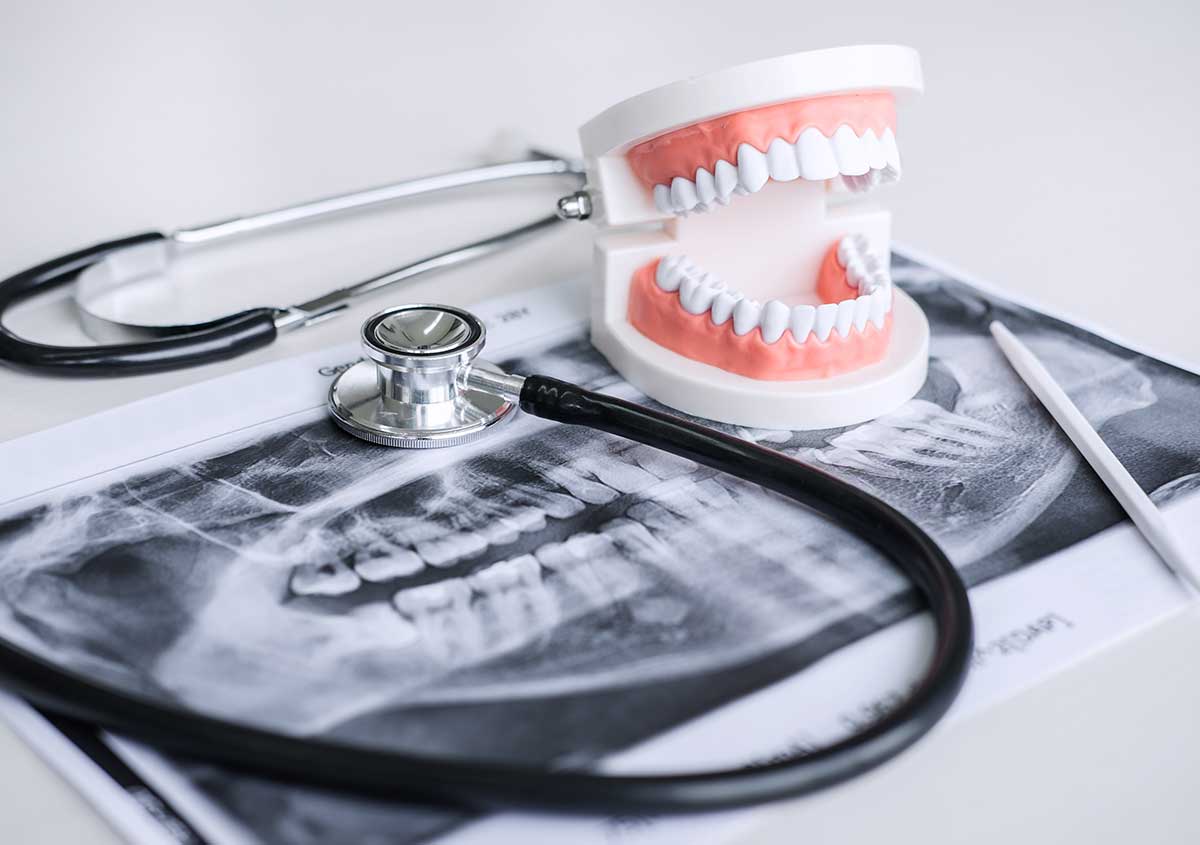
We use a lot of high-tech, digital devices in our office, and the ones I find most valuable are the ones in diagnosis, aiding me in diagnoses. Digital X-rays, for example, are X-rays that we take with sensors instead of your traditional film. The advantages to both the patients and ourselves are enhanced images, time efficiency and reduced radiation exposure – actually, up to 80 to 90 percent reduced radiation exposure. In my oral cancer screening, I will do a thorough history and physical exam. Then, I’ll also use the latest adjunctive technology in early cancer detection, which allows me to see tissue changes before they’re even visible to the eye, so it gives my patients the best chance for a great outcome. The reason I like this lesion detection scope for early detection is because by the time I can visualize oral cancer in the mouth, it’s already in advanced stages, and it’s an aggressive cancer, so it can be very devastating to the patient. For us to have the ability to pick up the tissue changes well before they’re cancerous is a tremendous benefit for our patients.
And then, again, in my clinical examination, when I’m examining for decay, I will do my routine, thorough examination, but then I also crosscheck myself with my cavity-detecting laser. The cavity-detecting laser picks up changes in density of tooth structure in little pits and grooves that my explorer can’t get into. So, if there are any areas of question that I might have, this will clarify that for me. This device picks up on decay at its earliest, incipient stages, so it allows me to protect and preserve tooth structure. I have found that using these new advanced technologies in conjunction with clinical examination allows me to provide the most thorough diagnosis for my patients.
Share this Article
At Gentle Dentistry, we believe that insurance plans and financial concerns should not prevent anyone from receiving quality, proactive dental care. Our In-House Dental Savings Plan is designed to help our patients receive the consistent, high quality dental care they need to maintain optimal oral and overall health at an affordable price. Individual annual membership plans start at $349, and cost-effective family plans can be customized to meet the needs of everyone in the family. Each membership plan includes free treatments, special discounts, cosmetic treatments, and much more.
Sign up for our Dental Savings Plan to start enjoying incredible benefits at Gentle Dentistry right away.
Click here to learn more about our dental savings plan

